;)



22 May 2026
Technical Control Digital Inkjet Waterborne Resin – The “Tri-Media Powerhouse” for Direct Printing on Coated Paper, PET Film & Corrugated Board
May 22, 2026
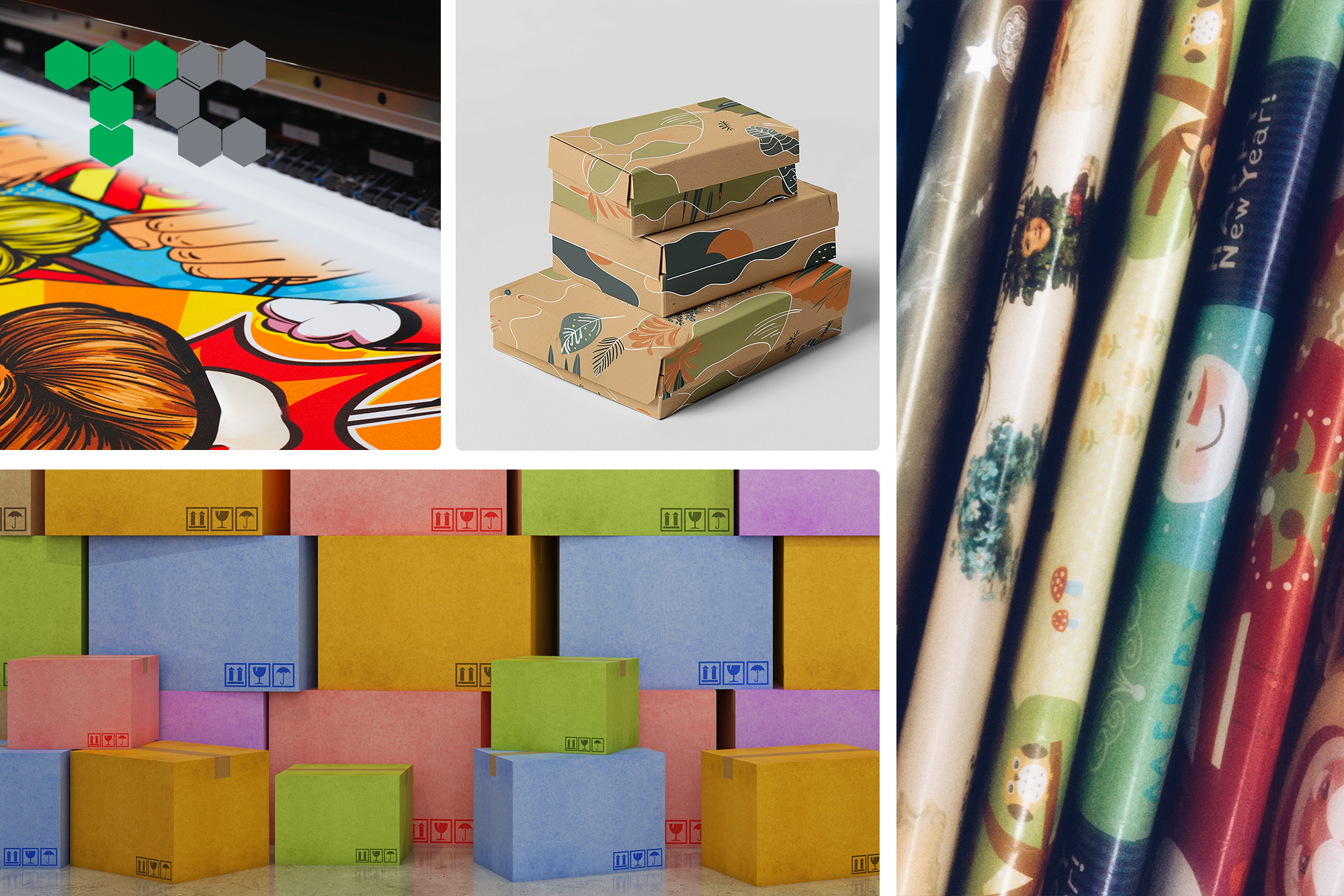
Coated paper, PET film, and corrugated board are the three most common substrates for digital inkjet printing. While inkjet technology has advanced significantly in precision and speed, the inherent surface and structure of each substrate still create distinct print challenges:
Coated paper: smooth surface, but resin film formation can easily cause haze, turning glossy areas dull.
PET film: low surface energy, leading to weak ink adhesion.
Corrugated board: porous and loose fiber structure, causing ink penetration and bleeding.

Technical Control Digital Inkjet Solution

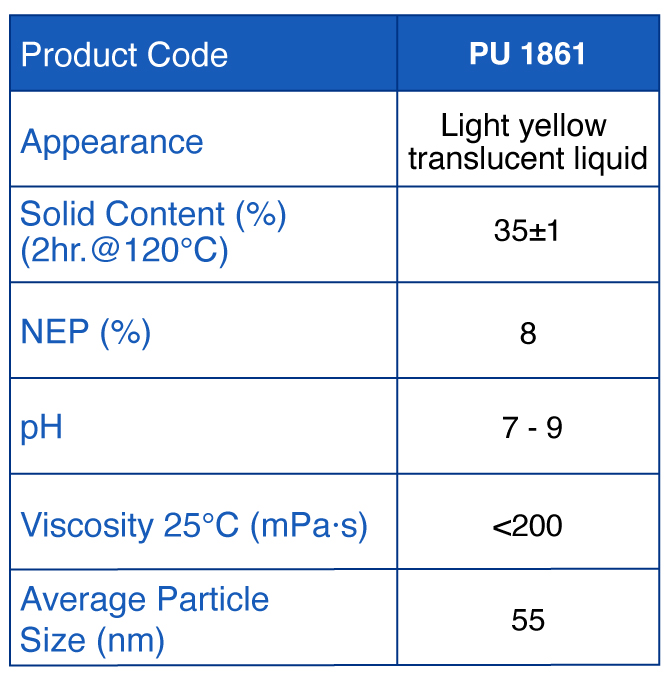
To address challenges of these three substrates, Technical Control has developed PU 1861, a high-performance waterborne polyurethane resin specifically designed for digital inkjet ink formulations.
PU 1861 delivers a well-balanced set of film properties — high gloss with excellent clarity and transparency, high hardness, anti-scratch performance, and a smooth, pleasant hand-feel — helping formulators achieve consistent results across multiple direct-print applications.
Direct Printing on Coated Paper
High Gloss & Clarity – Eliminate Haze
Coated paper is highly smooth, and ordinary waterborne resins may still form films that produce haze. In high-gloss zones, that haze can shift the finish toward a matte/whitish dullness, making colors appear less vivid.

High gloss with excellent clarity and transparency is the most outstanding visual property of PU 1861. It forms a clear, transparent film with strong gloss, giving coated paper prints a true glossy look — with brighter color expression and deeper black density.
The 55 nm ultra-fine particle size not only ensures smooth ink flow through the printhead — preventing nozzle clogging and broken lines — but also allows the resin to spread quickly and form an even film on the smooth coated surface, avoiding local buildup or crawling/cratering defects.
Direct Printing on PET Film
Strong Adhesion – Resists Scratching & Abrasion
PET film is a non-absorbing, low-surface-energy substrate. As a result, many waterborne ink systems suffer from poor wetting and weak adhesion — leading to the ink layer being easily scratched off or peeling off during tape adhesion tests.
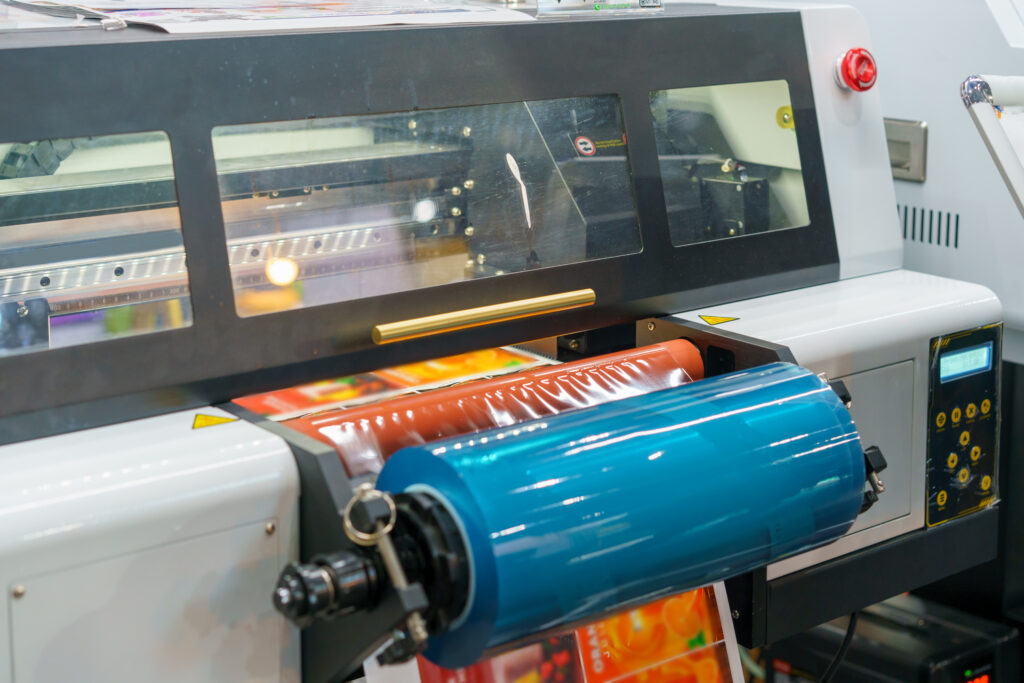
As an anionic polyurethane, PU 1861 includes polar groups that generate strong molecular interactions with the PET surface, providing reliable physical anchoring.
The high-hardness, anti-scratch film property ensures that the ink layer is less likely to be scratched or worn off during subsequent processing and transportation.
The 55 nm ultra-fine particle size further increases the contact area between the resin and the substrate, resulting in even stronger adhesion.
Direct Printing on Corrugated Board
Fast Fixation – Reduce Penetration & Bleeding
Corrugated board is a porous, fiber-based substrate. Ink tends to penetrate and spread easily, leading to blurry barcodes and dull colors. At the same time, high-speed printing requires the ink to fix quickly to prevent back-trapping / offsetting.
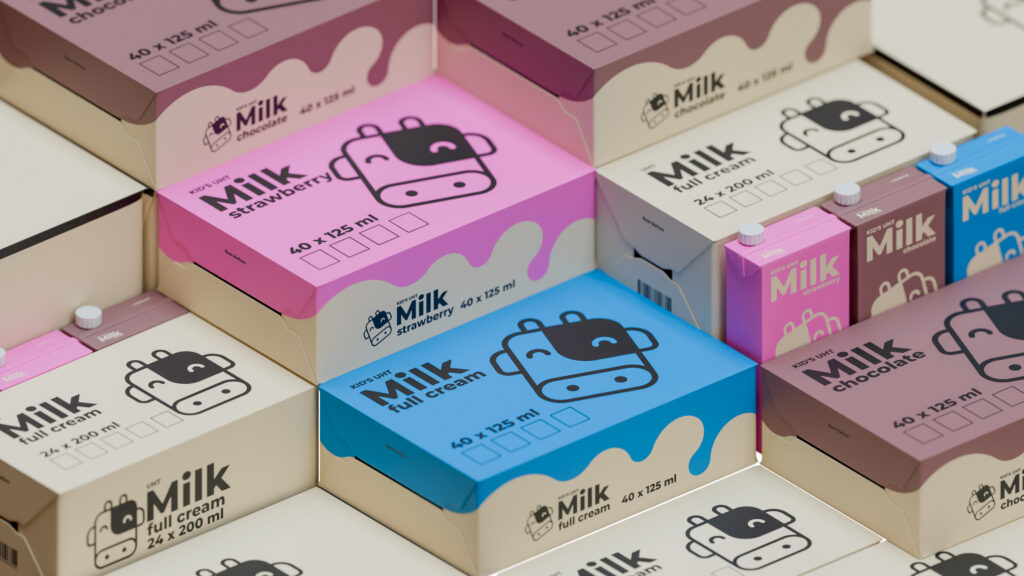
With an ultra-fine particle size of 55 nm, the resin particles pack tightly on the board surface and rapidly fuse into a dense film, “intercepting” the pigments on the surface and preventing them from wicking deep into the fibers with the moisture.
Once dried, the film feels smooth and non-tacky — neither sticky nor rough. This reduces the risk of adhesion when boxes are stacked, allowing for smoother feeding through automated packaging lines.
The film also offers high hardness and excellent scratch resistance, meeting the abrasion and durability requirements of corrugated boxes under stacking and friction during logistics and handling.
Product Parameters